
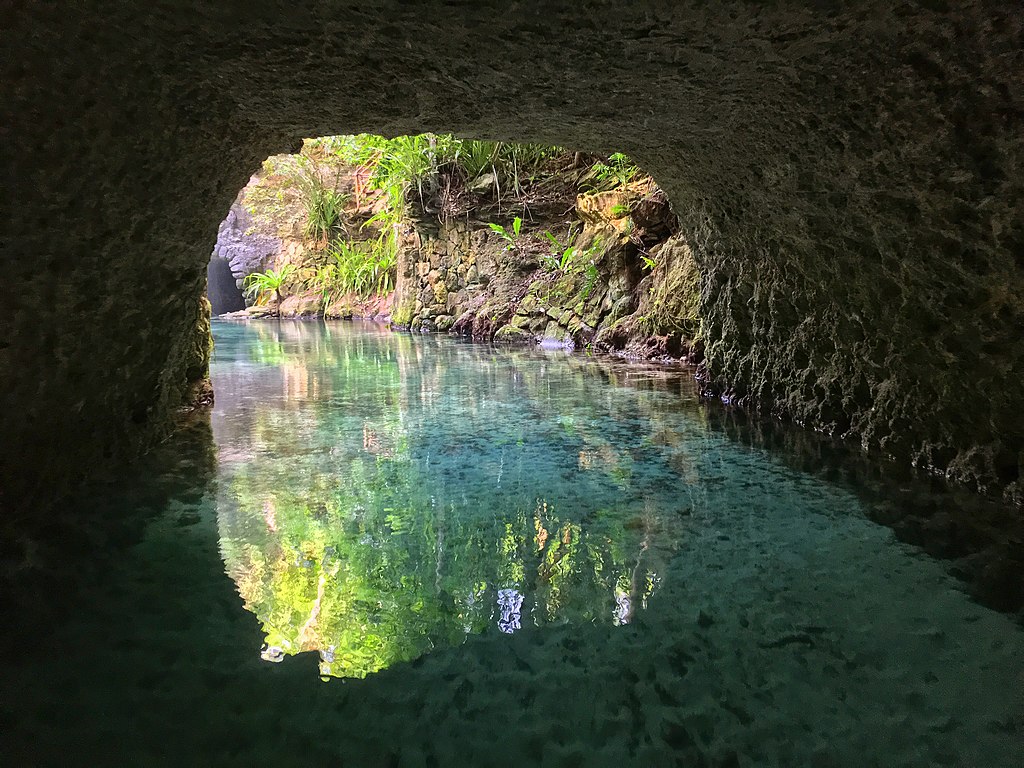
The Ultimate Guide to Cancun’s Cenotes: Best Tours, Tips & Hidden Gems
Beneath the Light: Your Complete, Human Guide to Cenote Adventures in the Yucatán
There’s an odd kind of hush the moment you step into a cenote. Light slices through a hole in the limestone, the water is impossibly clear, and everything — for a second, at least — feels like one of those paused movie scenes where someone takes a breath and decides, quietly, that they’ll remember this. If you’ve ever wanted to swim in a place that feels both ancient and oddly intimate, cenotes are it. They’re more than Instagram backdrops (though, yes, they’re great for photos). They’re geological quirks, freshwater lifelines, and—importantly—sites of deep cultural meaning to the Maya people. This guide is meant to be the one you keep open while you plan: practical, honest, and written like a human who’s been both enchanted and a little damp from chlorine—no, wait, from fresh cenote water.
Quick overview: we’ll cover what cenotes are (geology and history), why you might want to visit, the different types and a handful of iconic examples near Cancun and the Riviera Maya, how to decide between tours and DIY, and the practical tips you really need so your visit is safe and respectful. I’ll mix in a few personal reactions and small tangents—because travel writing that pretends the writer never pauses to look around feels… off. Let’s go.
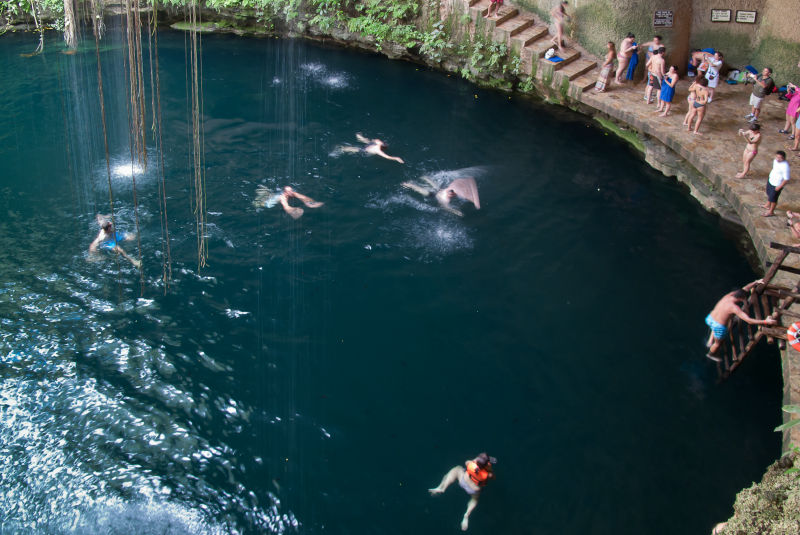
I. The Magic of the Mayan Underworld — What Happens When Light Finds Water
Imagine walking through thick green, the air humid and slightly sweet with leaf rot, and then — a clearing. A vertical mouth opens in the earth, sunlight plummets down like a spotlight, and below: water so clear you can see the rocky steps and small fish that don’t seem to mind you at all. That’s a cenote, and it’s hard to describe the first time without sounding like a brochure. It’s quieter than the beach and somehow humbler than any pool you’ll ever enter.
The word “cenote” comes from the Yucatec Maya dzonot, meaning “cavern with water.” For the ancient Maya, these places were not just water sources; they were sacred portals to Xibalba, the underworld, and spaces where offerings—sometimes the most awful kind—were made. Today they’re a blend of natural wonder, cultural heritage, and recreational playground. But we should treat them with humility; they’re delicate systems. More on that later.
II. What Is a Cenote? Geology, Types, and a Little History
How are cenotes formed?
The Yucatán Peninsula is mostly porous limestone. Over millennia, rainwater—slightly acidic from absorbing carbon dioxide—seeps into cracks and slowly dissolves the rock. Caverns form, ceilings sometimes collapse, and groundwater is exposed: that’s your cenote. Many cenotes connect to a massive underground network of rivers and caves; in fact, recent explorations have revealed some of the longest underwater cave systems in the world here. That subterranean web is part of why the cenotes are both beautiful and scientifically important—they store and filter freshwater for entire regions.
The four main types of cenotes (and how they feel)
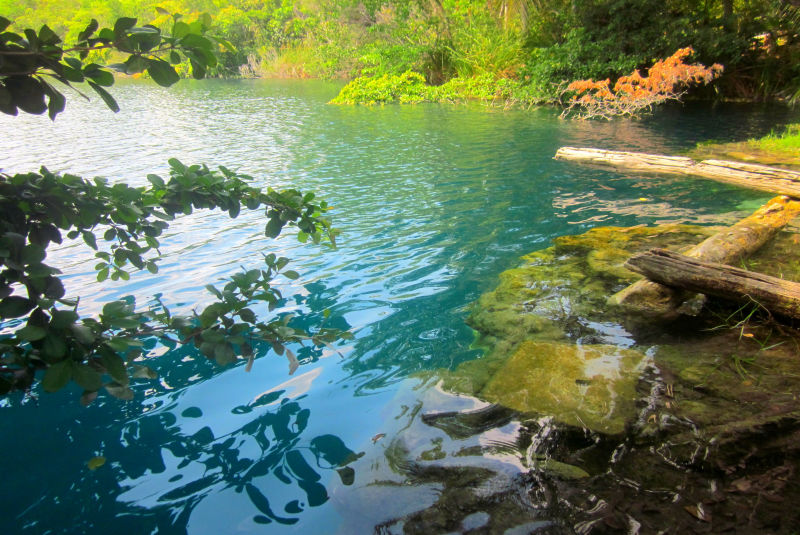
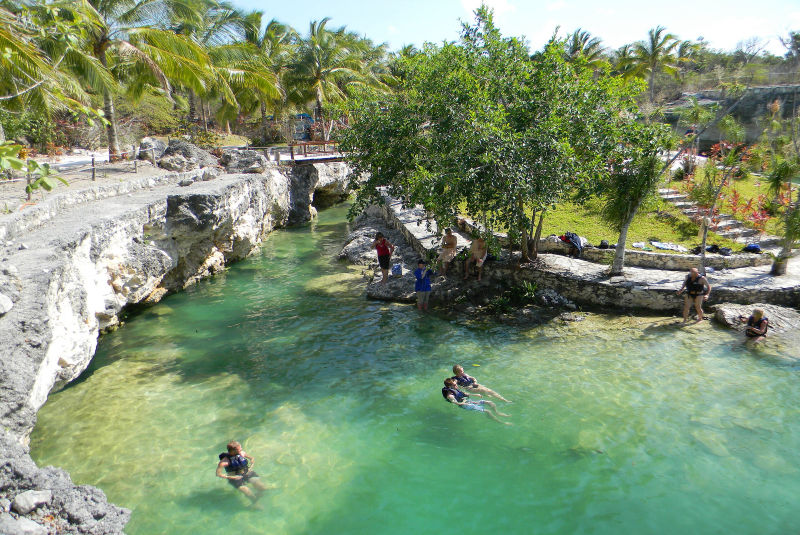
- Open (a cielo abierto): These look like ponds or small lakes, open to the sky. Bright, warm in sunlight, easier for families. Example: Cenote Azul.
- Semi-open (semiabierto): Part of the roof has collapsed, so you get a mix of daylight and shadow—mossy ledges, birds, dramatic photos. Think Gran Cenote.
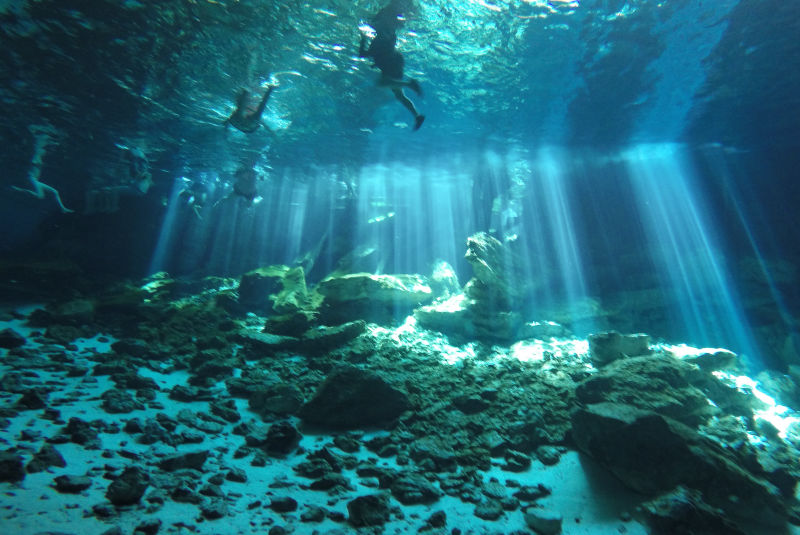
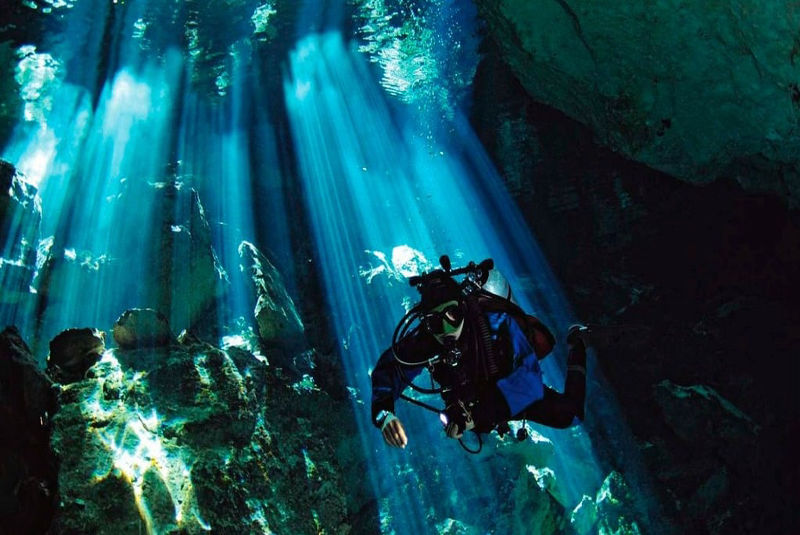
- Closed/Cave (cerrado o de caverna): Mostly subterranean, with narrow entryways and beams of light. These feel like entering a different world—Suytun is a good example (the famous platform-and-beam photo spot).
- Ancient/Dry: Some are archaeological sites with little or no water—these are for learning, not swimming. Human remains and artifacts found in certain cenotes underscore their sacred role in Maya ritual life.
A note: “types” are a useful shorthand but things are messy in nature. Many cenotes are hybrids; water levels shift with season; some quiet ‘closed’ cenotes have air pockets and beams of sunlight that feel like a stage trick.
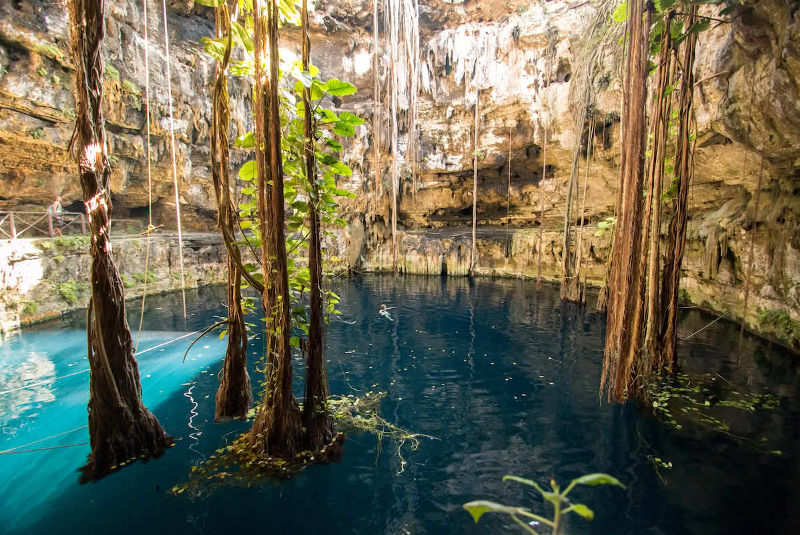
III. Why Visit a Cenote? The Unforgettable Bits
Short answer: because they’re gorgeous, weird, and quiet in a way beaches aren’t. Longer answer: they tick a lot of boxes.
- Swimming in crystal-clear water. The water is filtered naturally and feels cool—refreshing after a hot day exploring ruins. Visibility is often excellent.
- Snorkeling. You’ll float above limestone formations, sometimes spotting small fish or bats sleeping in the shadows.
- Scuba diving. For certified divers, cenotes are world-class. Cavern and cave diving here is technical; it requires training, the right gear, and an experienced guide. Don’t improvise.
- Photography. The light, the stalactites, the still water—photographers drool over cenotes for a reason. But also, try to look up from the screen for a bit.
- Cliff-jumping. Only at select cenotes with safe, designated platforms—fun but check the rules.
- Quiet and reflection. There’s a contemplative quality in many cenotes. Maybe because humans have come there for thousands of years; maybe because water makes us pause.
If you only do one cenote, pick one that matches what you want to feel or do. Want drama and photos? Choose a cavern with a beam of light. Want a lazy swim? An open cenote is probably better.
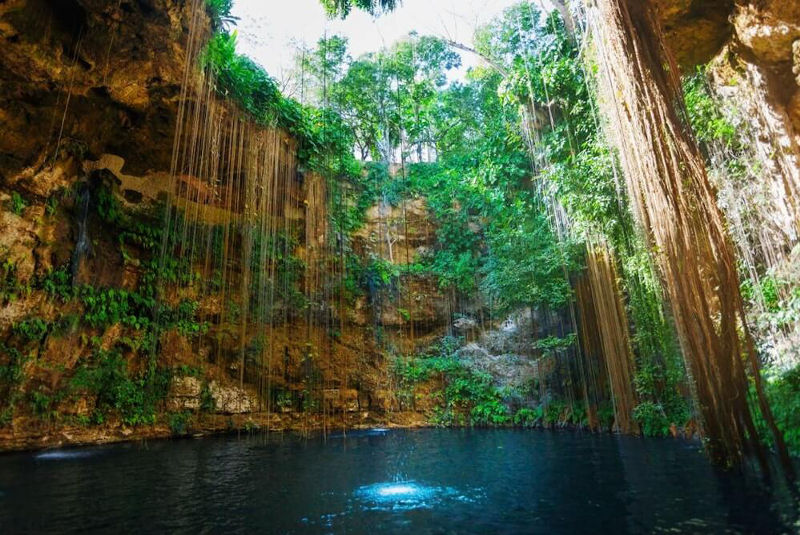
IV. The Best Cenotes Near Cancun & the Riviera Maya — Pick Your Mood
I’m grouping these by the kind of visit you might want. These are tried-and-true picks that locals and travel writers often recommend—so yes, they can be busy in high season, but for good reason.
Best for first-timers & families
- Cenote Azul — shallow areas, easy access, and friendly for kids and non-swimmers. It feels like a natural park.
- Gran Cenote (near Tulum) — semi-open, lots of space, good snorkeling with turtles in some parts; easy pathways make it straightforward.
Best for photography / Instagram
- Cenote Suytun (Valladolid) — that stone runway and circular platform under a shaft of light. Arrive mid-day if you want the dramatic sunbeam. But—fair warning—this one attracts a crowd.
- Cenote Ik Kil — dramatic vines down the sides, a carved stairway, and a sense of theater; it’s also close to Chichén Itzá, so it’s easy to pair with a ruins visit.
Best for adventure & snorkeling
- Dos Ojos — amazing underwater visibility; if you love snorkeling or want easy cavern diving, this system is legendary. It’s part of the larger Sac Actun/Dos Ojos network.
- Jardín del Edén (Garden of Eden) — predictable clarity, jumping points, and a relaxed jungle setting.
Best for certified cave divers
The Pit — deep, technical, with an eerie halocline effect (salt-freshwater layering) that’s a must-see for the trained diver. This is not for beginners.
Hidden gems (less crowded if you time it right)
- Taak Bi Ha — part of the Dos Ojos system but quieter in some parts.
- Cenote Calavera (Tulum area) — small, quirky, beloved by locals, and named for its skull-like opening. These smaller spots reward early mornings and patience.
V. Tours vs. DIY — The Ultimate Comparison (and my messy opinion)
There are good reasons to do either. I’ve taken both types of trips and—honestly—my mood decides.
Joining a cenote tour
Pros:
- Convenience: transportation, a guide, sometimes food.
- Safety: guides know depths, current patterns, and local rules.
- Combo options: many tours pair cenotes with ruins or a cave dive.
Cons:
- Less freedom: you’re on someone else’s schedule.
- Crowds: group timings can cluster.
- Sometimes you pay for extras you don’t need.
How to choose a good tour: look for small groups, certified guides (especially for diving), clear inclusions, and positive recent reviews. Ask whether they limit sunscreen (important) and if they support local conservation or community projects.
Doing it yourself (DIY)
Pros:
- Flexibility: stay longer, move faster, go when you want.
- Cheaper sometimes: you avoid tour overheads.
- More privacy if you go very early or off-season.
Cons:
- You’ll need a car or figure out colectivos/public transport.
- No guide means you might miss context or safety advice.
- Parking/entrance logistics at some sites can be clunky.
If you DIY: rent a car responsibly, bring cash (many sites still prefer pesos), and plan to arrive early—the early hours are gold for solitude and light. If you’re driving unfamiliar roads, keep a paper map as a backup (I know, ancient advice, but batteries die).
Logistics note: some cenotes are clustered (a few near Tulum, others near Valladolid), so you can do multiple in a day if you plan. But two really nice cenotes and a slow lunch make for a better day than three rushed stops.
VI. Practical Tips: What to Know Before You Go
This is the part where I get slightly bossy because—trust me—small mistakes can ruin a day.
- Check the weather. Heavy rain can turn water murky and sometimes makes access unsafe. Clear skies = better light for photos.
- Arrive early. Especially at Suytun, Ik Kil, or the popular Tulum spots. Early hours mean better light, fewer buses, and cooler temperatures.
- What to bring: biodegradable (reef-safe) sunscreen if allowed (some sites ban sunscreen entirely), mosquito repellent, quick-dry towel, cash in MXN for entrance fees and lockers, a waterproof phone case or GoPro, and a bit of patience. Many cenotes require showers before entering.
- What to wear: a comfortable swimsuit, water shoes (rocky edges are real), and maybe a lightweight cover-up for the walk back to the car. Don’t wear heavy jewelry that could scratch or get lost.
- Safety first: Only jump where explicitly allowed and after checking depth. Follow guide instructions for dives. If you’re not a strong swimmer, request a life vest (most cenotes provide them for a small fee).
- Respect the ecosystem: Many cenotes are fragile. Don’t use chemical sunscreen unless explicitly permitted and labeled biodegradable; shower before entering; don’t touch stalactites or formations; and avoid feeding wildlife. Locals and conservationists are increasingly vocal about protecting these waters.
- Lockers & rentals: Most busy cenotes have lockers, life vests, and sometimes wetsuit rentals (the water can feel cold to some). Bring small bills; some places don’t accept cards.
VII. Tips for Responsible Visiting — Because Cenotes Need Care
This is short and sharp: treat cenotes like the delicate pearls they are. That means legal protections aside, you shouldn’t assume unlimited access.
- Follow local rules (they exist for a reason).
- Use biodegradable products.
- Support local guides and community-run cenotes where possible—your money helps maintenance and conservation.
- Be aware of development pressures: large projects like the Maya Train have raised concerns about contamination and damage to the aquifer and cenote networks. There are real, ongoing environmental and legal debates about protecting these water systems. So your choices—where you go and who you support—matter.
VIII. Quick Packing Checklist (so you don’t forget the obvious)
- Biodegradable sunscreen or none (double-check rules).
- Water shoes.
- Waterproof phone case or GoPro.
- Small dry bag.
- Cash in pesos.
- Towel (quick-dry preferred).
- Mosquito repellent.
- A reusable water bottle (you’ll want water after all that swimming).
IX. Key Takeaways (for skimming, or for when your trip is three days away)
- Cenotes are sinkholes formed by collapsed limestone revealing groundwater—part of vast underground river systems that are both beautiful and scientifically important.
- They were sacred to the Maya and sometimes used for offerings; many hold archaeological significance. Be respectful.
- Choose a cenote based on the experience you want: open for families, semi-open for snorkeling, cave for drama and photos, specialized sites for certified cave diving.
- Tours are convenient and often safer for diving; DIY gives you flexibility and quieter visits if you arrive early.
- Be eco-conscious: follow site rules, use reef-safe products, and consider visiting locally run cenotes to support conservation.
X. Final Thoughts — Go See, But Bring a Little Care
Cenotes are the kind of place that will likely surprise you—by how cold the water is, by the way a single beam of light can make a whole cavern feel theatrical, and by how quiet your thoughts become when you’re floating and the world above is muffled. They’re also living systems with human histories that deserve more than a quick snapshot.
If you love nature and small wonders, prioritize a slow visit: arrive early, stay a little longer than your schedule allows, and keep your phone tucked away for a few minutes to stare without tagging. If you love diving, do it with certified guides and the right training. If you love history, read up on Maya relationships with cenotes before you go—there’s a lot there that enriches the swim.
And, because I like to end on an honest note: expect crowds at the famous spots. They’re famous for a reason. But there are quieter corners and smaller cenotes that repay the extra effort. A little planning and a dash of respect will give you an unforgettable day under the light.
If you want, I can tailor this into a printable one-page checklist, or help you pick an itinerary (two cenotes + lunch + ruins? three small cenotes and a hammock?) for whatever base you’re staying at—Cancún, Playa del Carmen, Tulum, or Valladolid. Tell me your dates and priorities (photos, swimming, diving, solitude), and I’ll sketch a plan that tries to sound like a human who’s both mildly indecisive and very excited.

You May Also Like
Spring is the Grossest Time to Travel

Teaching English in Europe!